



Mobile Paediatric Occupational Therapy
Traditional clinic-based therapy can feel artificial and disconnected from your child’s daily life. Our mobile therapy model brings evidence-based occupational therapy directly to the environments where your child lives, learns, and plays.

Our Mobile Therapy Services
Home-Based Therapy Sessions
Why home therapy works:
Your home is where your child feels most comfortable and secure. Home sessions allow us to work on real daily challenges like getting dressed, eating meals, completing homework, and playing with siblings.
What we focus on at home:
- Morning and evening routines (dressing, toileting, hygiene)
- Mealtime skills and eating challenges
- Homework and study habits
- Sibling interactions and family dynamics
- Sensory regulation in familiar spaces
- Independence in household tasks
- Sleep routines and bedroom organisation
Family involvement:
- Parents learn strategies to support ongoing development
- Siblings can participate in appropriate activities
- Whole family benefits from environmental modifications
- Strategies are embedded into existing routines


School-Based Therapy Sessions
Why school therapy is effective:
School is where your child spends most of their day. Working within the classroom environment allows us to address specific academic and social challenges where they occur.
What we focus on at school:
- Handwriting and fine motor skills during class activities
- Attention and focus strategies for learning
- Social skills during playground and group activities
- Sensory regulation in the classroom environment
- Executive functioning for homework and assignments
- Transitions between activities and classes
- Participation in sports and physical activities
Collaboration with educators:
- Teachers observe therapy techniques firsthand
- Strategies are integrated into daily classroom routines
- Environmental modifications can be implemented immediately
- Communication between therapist and teacher ensures consistency
- Professional development opportunities for school staff
Daycare-Based Therapy Sessions
Why daycare therapy supports development:
Daycare is often a child’s first experience of group settings. Therapy in this environment helps develop crucial social, emotional, and independence skills.
What we focus on at daycare:
- Social interaction and friendship skills
- Group participation and turn-taking
- Self-care independence (toileting, eating, dressing)
- Following instructions and routines
- Emotional regulation in group settings
- Play skills and imagination development
- Preparation for school transition
Supporting educators:
- Daycare staff learn practical strategies
- Consistent approaches across all caregivers
- Environmental modifications for sensory needs
- Behaviour support strategies
- Documentation for transition to school
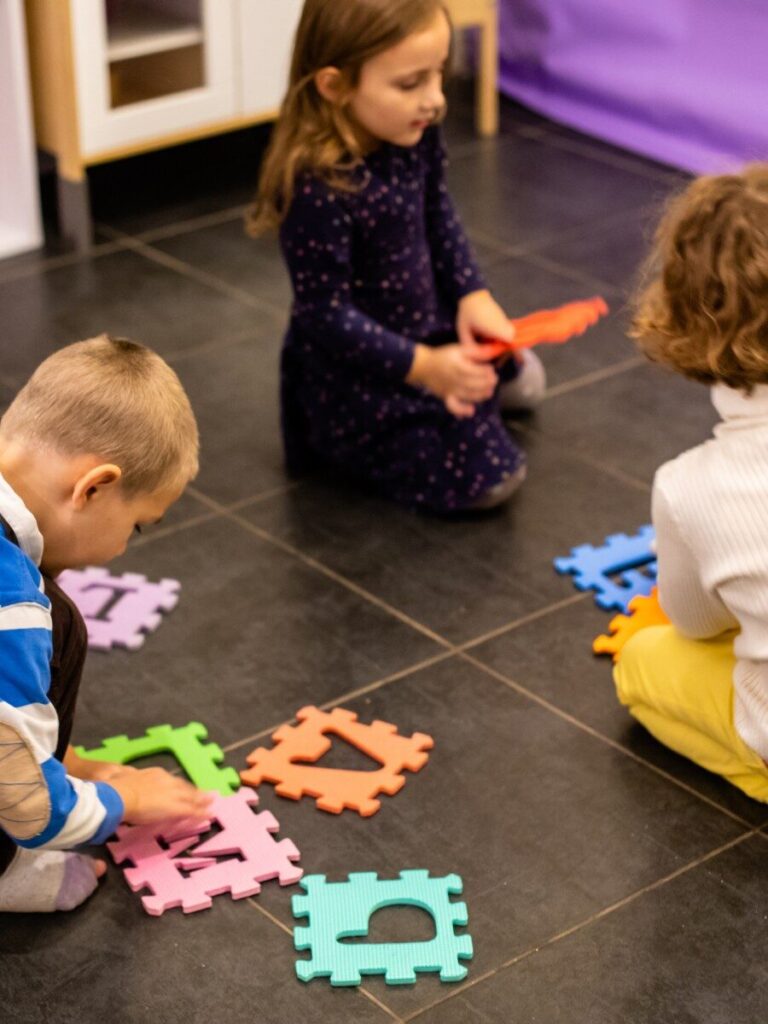
What Mobile Therapy Sessions Look Like
Session Structure:
- Duration: 45 minutes of direct therapy time and 15 minutes is used for note taking.
- Frequency: Weekly, fortnightly, or monthly based on goals and funding.
- Equipment: We bring necessary therapy tools and equipment.
Typical Session Flow
- Check-in with child and relevant caregivers (5-10 minutes)
- Warm-up activity to engage and assess current state (5-10 minutes)
- Targeted therapy activities addressing specific goals (25-35 minutes)
- Cool-down and reflection with child (5 minutes)
- Caregiver discussion and strategy sharing (10-15 minutes)
Our Approach
- Play-based: Therapy disguised as fun, engaging activities
- Child-led: Following your child’s interests and motivations
- Strength-focused: Building on what your child does well
- Goal-oriented: Every activity targets specific developmental objectives
- Family-centred: Involving and supporting the whole family
Mobile Therapy Benefits

For Children
- Reduced anxiety in familiar environments
- Better skill generalisation to daily life
- Increased confidence and independence
- Natural learning opportunities
- Consistent support across environments

For Families
- Convenient scheduling around family life
- Reduced travel time and costs
- Whole family learning and involvement
- Strategies embedded in daily routines
- Better understanding of child’s needs

For Educators
- Direct observation of effective strategies
- Professional development opportunities
- Consistent approaches across settings
- Environmental modification guidance
- Improved understanding of child’s needs
The Assessment Process
Step 1: Initial Consultation
- Comprehensive assessment in your preferred location
- Discussion of goals and priorities
- Environmental assessment and recommendations


Step 2: Therapy Planning
- Personalised therapy plan developed
- Goals set collaboratively with family
- Session frequency and location determined
Step 3: Ongoing Therapy
- Regular therapy sessions in natural environments
- Progress monitoring and goal adjustment
- Collaboration with all relevant caregivers


Step 4: Transition Planning
- Gradual reduction of support as independence grows
- Handover of strategies to family and educators
- Follow-up support as needed
Frequently Asked Questions
Q: What if my child is shy with new people?
A: We take time to build rapport and trust. Sessions can start with shorter durations and familiar activities until your child feels comfortable.
Q: Do you work with children who have challenging behaviours?
A: Absolutely. Behavioural challenges often improve when children receive appropriate support in familiar environments.
Q: Can other family members be present during sessions?
A: Yes! We encourage family involvement and can work with siblings when appropriate.
Q: What happens if my child is unwell on session day?
A: We understand that children get sick, and we ask parents to notify us as soon as possible so we can either reschedule within the same week (if available) or cancel the session. Cancellations made with less than 2 business days’ notice will be billed at the full session fee.
Q: How do you coordinate with teachers/educators?
A: We communicate regularly with your child’s educational team and can attend meetings when beneficial.
Get Started Today
Experience the benefits of occupational therapy in your child’s natural environment – at home, school, or daycare where real-life skills are developed and practised.
Mobile therapy offers the unique advantage of supporting your child’s development where it matters most – in their everyday environments.
Looking for more information about funding and support? Visit the National Disability Insurance Scheme (NDIS) website:
https://www.ndis.gov.au NDIS Official Site